Some of the projects I have worked on over the past few years.
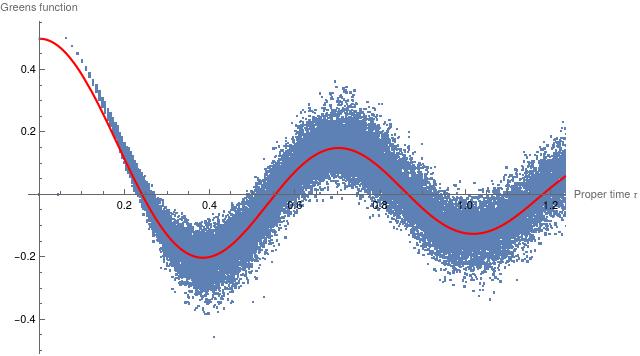
In the summer of 2025 I undertook a research project under the supervision of Dr Yasaman Yazdi at the Dublin Institute for Advanced Studies (DIAS). This was my first introduction to causal set theory. Alongside Dr Yazdi I investigated quantum field theory on causal sets, particularly in (2+1)-dimensional de Sitter spacetime. This involved simulating causal sets and comparing functions of different elements, such as propagators, to their known continuum curves.
This is part of the overall goal of showing QFT on causal sets produces the same results as the continuum limit, including in curved spacetime. We are in the process of writing a paper on the results.
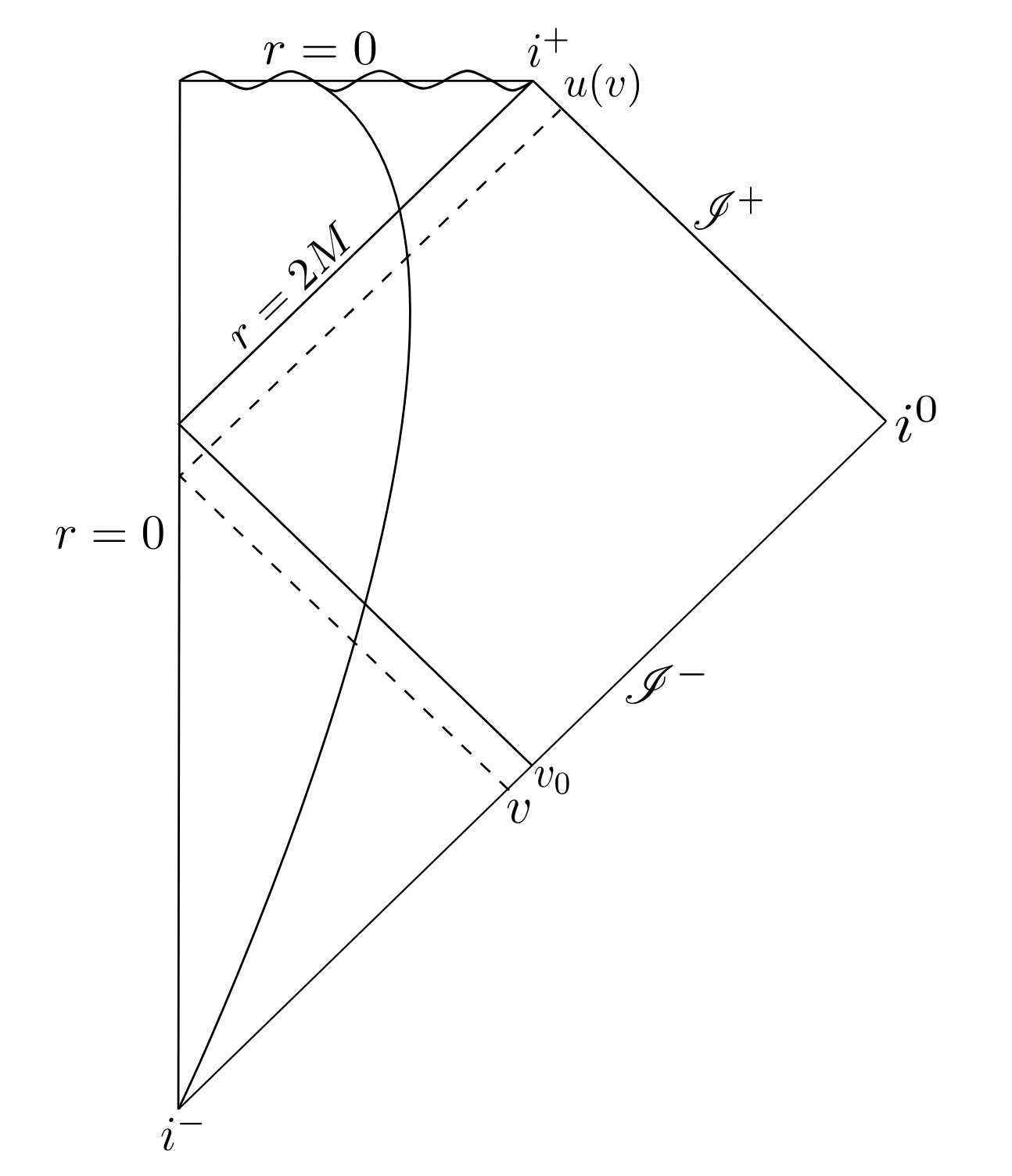
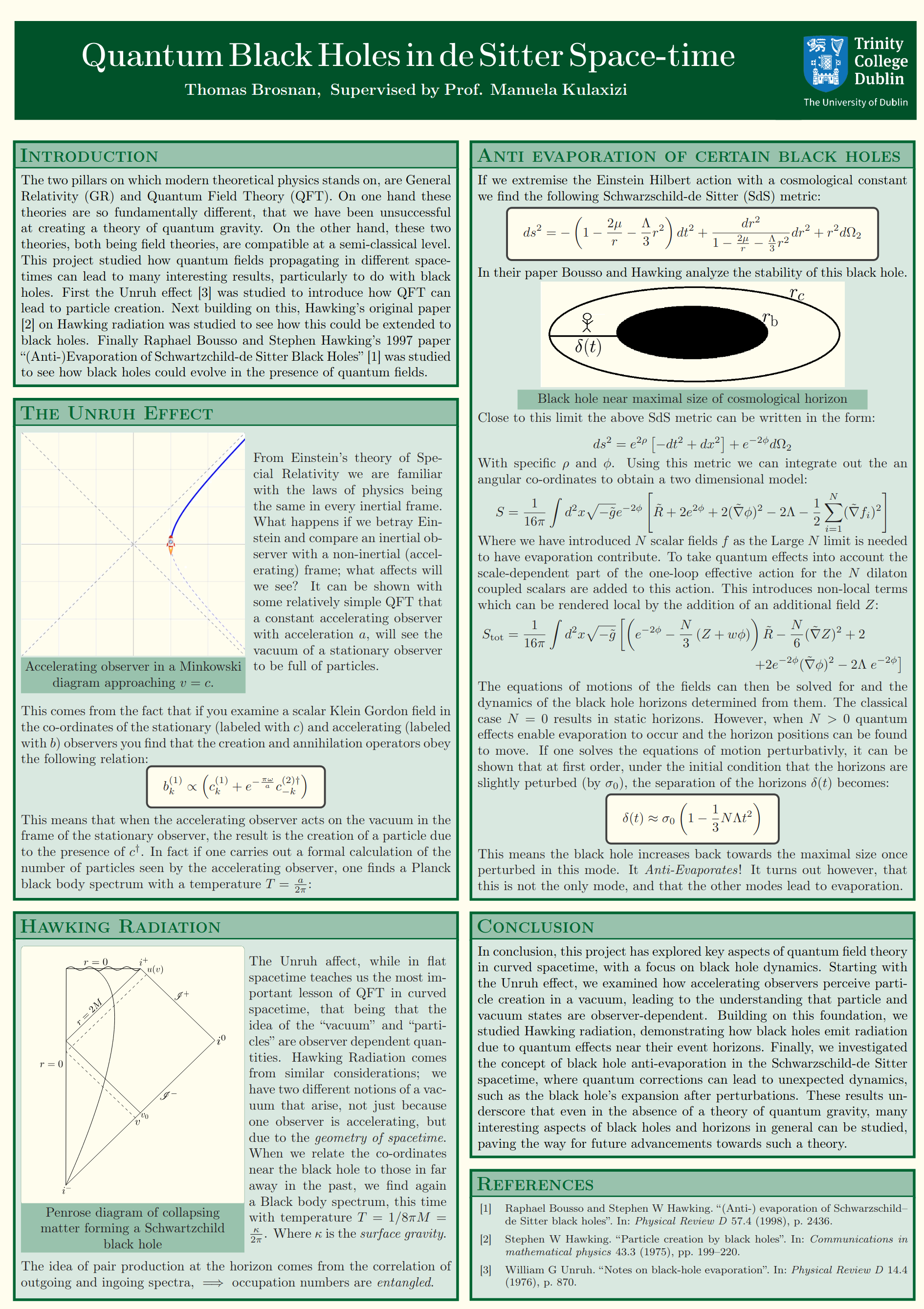
My Final Year Project investigated many aspects of Quantum Field Theory (QFT) in curved spacetimes. This is the study of quantum fields propagating in a classical gravitational field.
My research began with a detailed study of the Unruh Effect and Hawking radiation. The primary goal of this project was to take these ideas learned from the Unruh Affect and Hawking Radiation and use them to analyse Raphael Bousso and Stephen Hawking's paper titled "(Anti-)Evaporation of Schwarzschild -de Sitter Black Holes". Here a Schwarzschild black hole is immersed in de Sitter spacetime and it is shown that different quantum fluctuations of the metric lead to some stable and some evaporating modes.
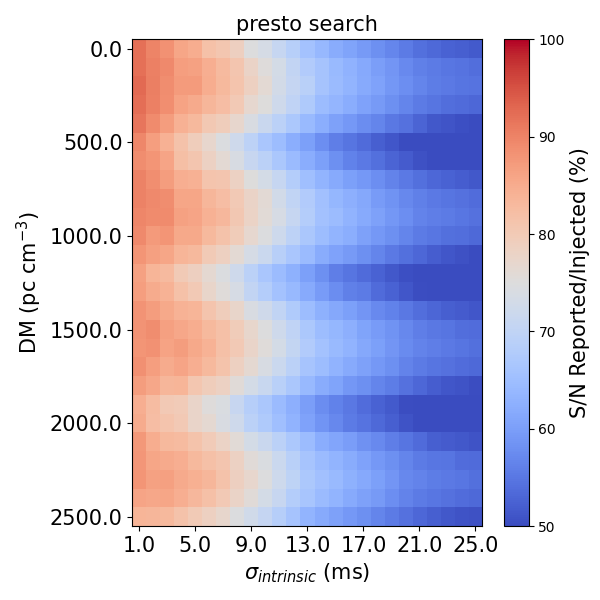
In 2024, as an intern with Breakthrough Listen Search for Extra-terrestrial Life (SETI), I focused my research on the analysis of single pulse detection algorithms; which are useful in the detection of Fast Radio bursts and exotic pulsar systems. I analysed several different algorithms and built a pipeline that created synthetic pulses and benchmarked them against each other over a wide parameter space to see where each was best. My results showed that a popular algorithm is not sensitive to wide-width pulses, meaning some detections could have been missed in several surveys. Find the on my Github page.
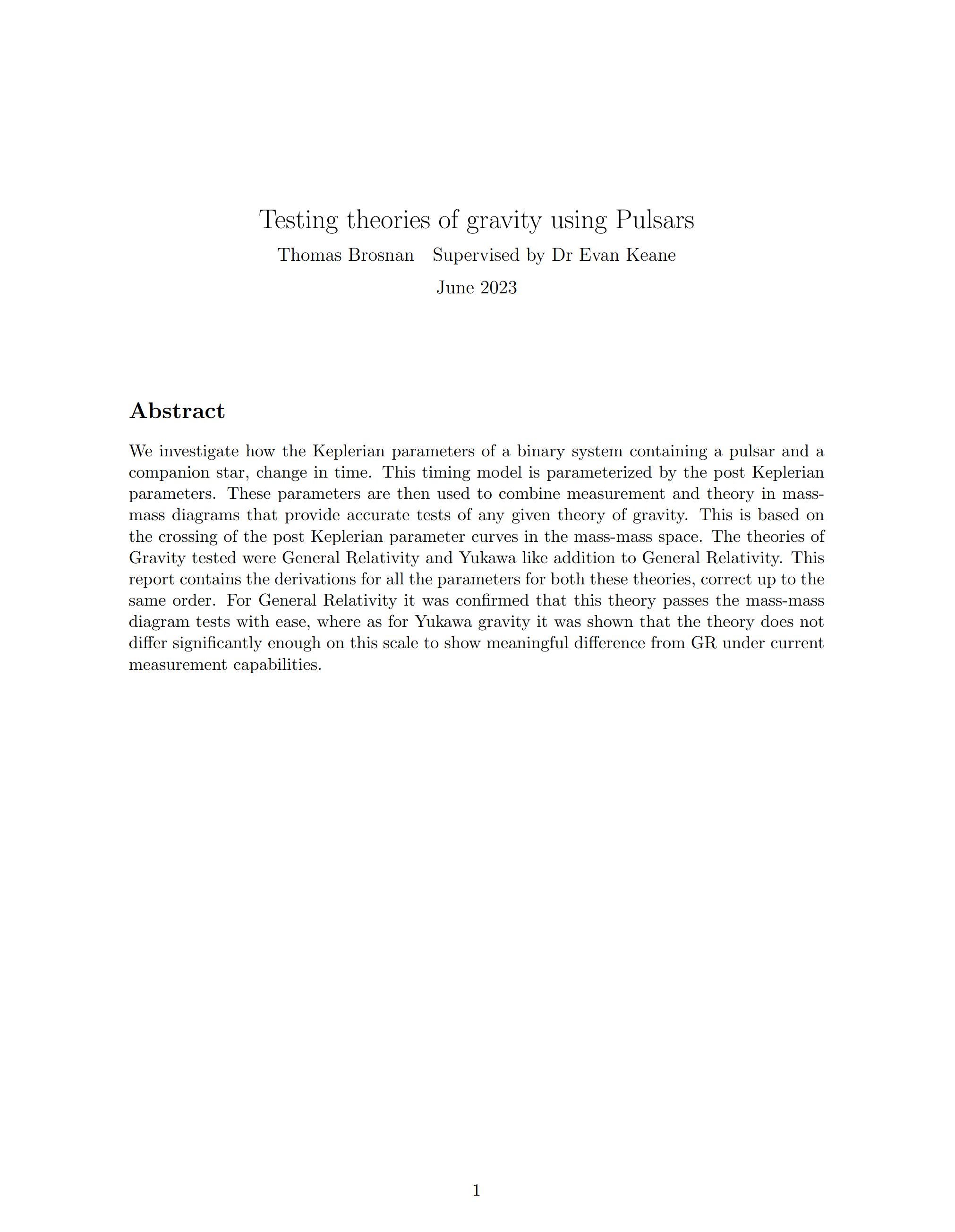
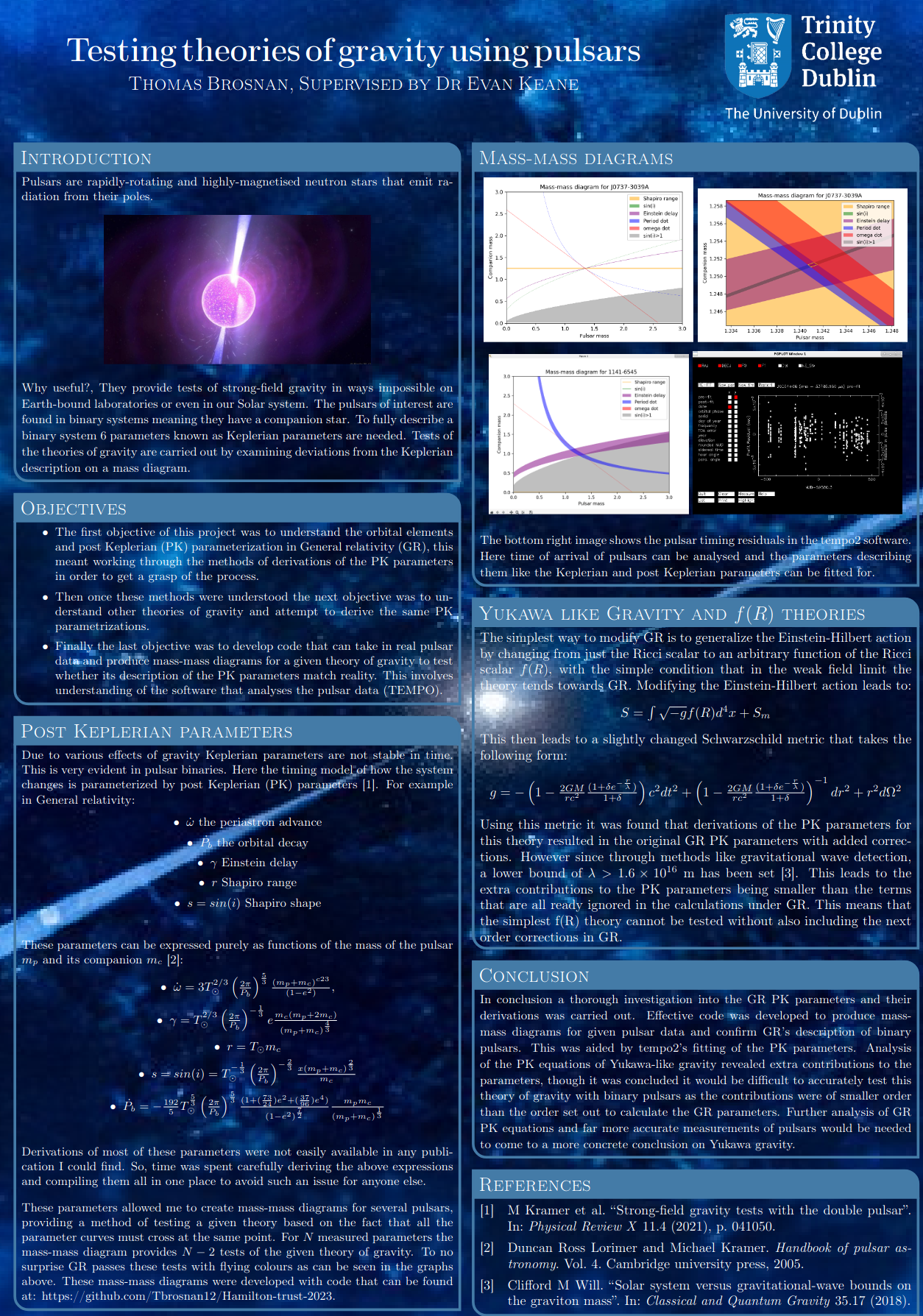
In the summer of 2023 I took part in the Hamilton Trust Internship at the School of Mathematics TCD. Working with Professor Evan Keane, I used pulsars as a medium to test theories of gravity such as General Relativity (GR) and Yukawa like gravity, deriving equations in both theories that governed how the parameters of a binary system containing a pulsar changed with time due to the various effects of the given theory.
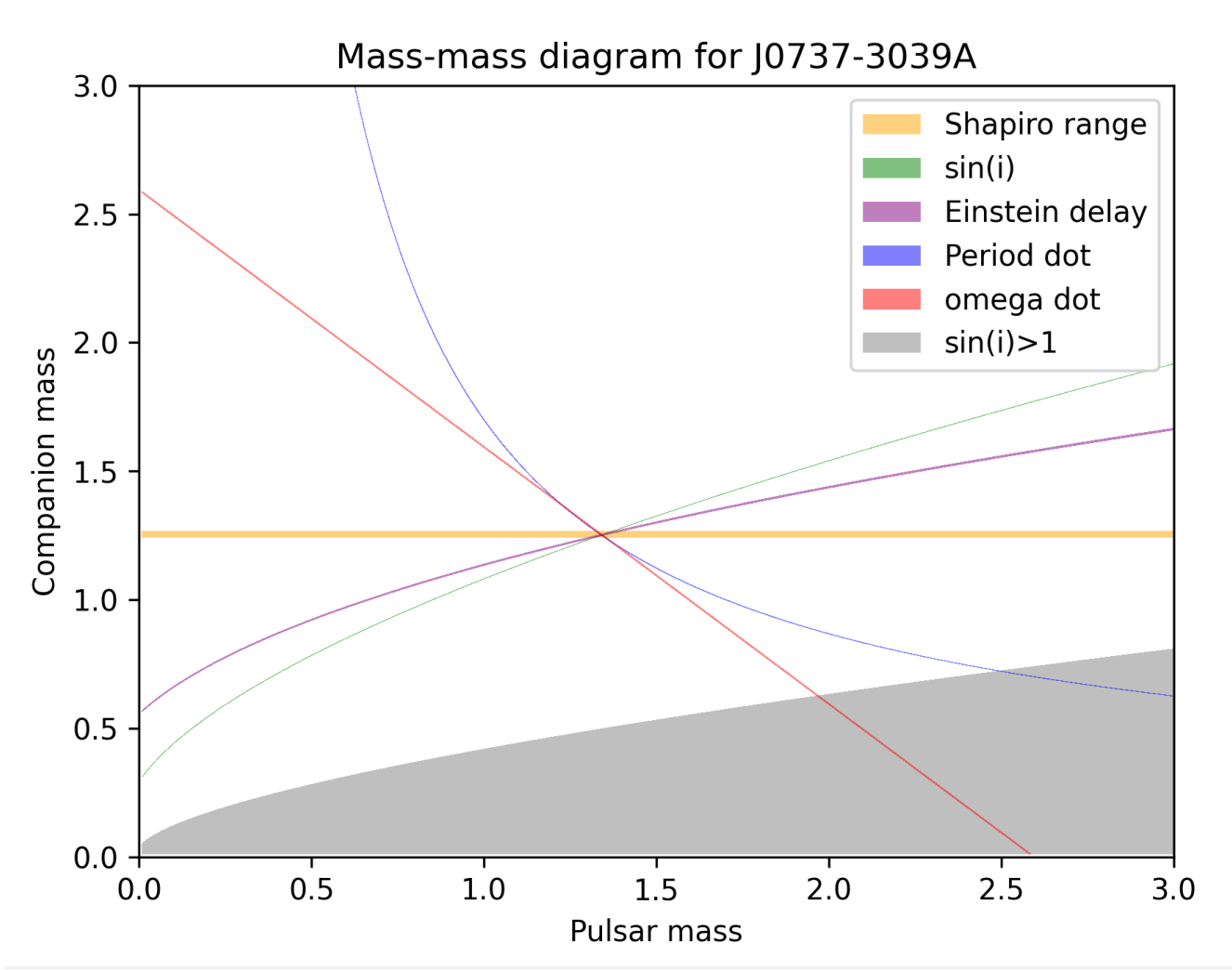
The parameters that were calculated are known as Post Keplerian (PK) parameters and their calculation in different theories of gravity is important as they can be used to directly test these theories. The parameters are functions of the two masses of the binary system so when plotted (see figure to the left) given observational values of the PK parameters they create curves in the space of the two masses. This provides excellent test of the theories as these curves must cross at a single point, at the actual values of the two masses of the system.
What I showed was that if you calculate these parameters in Yukawa like gravity they lead to the same first order PK parameters as GR plus some small corrections. But, I also noticed that since the observational constraints on the scale of gravity are quite strong, the order of magnitude at which these extra corrections come in is the same order as that of the second order approximation of the GR parameters. I also calculated these second order parameters and showed that they take a similar form, hence testing Yukawa gravity in this way is difficult.